Please fill out the form below and we will get back to you as soon as possible.

Blog
How to Clean AC Condenser Coils for Better Cooling
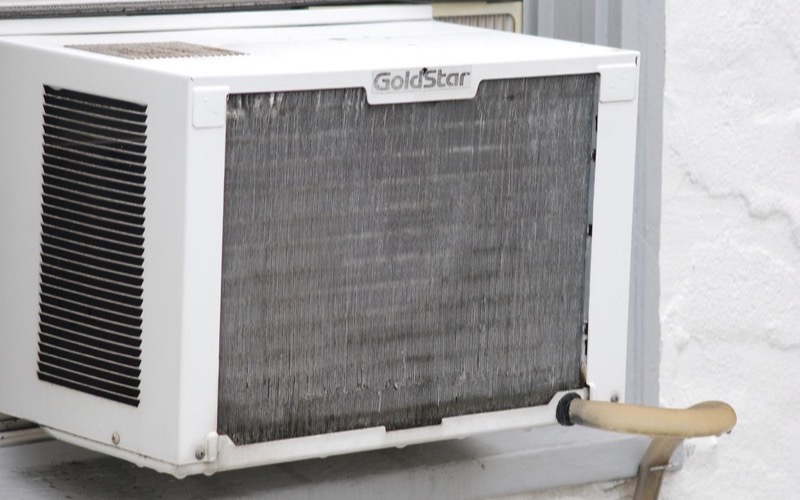
Your outdoor air conditioner unit lives a hard life, surrounded by dust, grass clippings, leaves, and pollen. All of that gunk collects on the condenser coils, the thin metal fins that release heat from your home to the outside air. When those coils get caked, your AC cannot dump heat efficiently, so it runs longer, cools less, and costs more. Learning how to clean AC condenser coils is a straightforward weekend job that can noticeably improve performance.
This guide covers when to clean your coils, the simple tools you need, and a safe step-by-step process for cleaning your outdoor AC unit without damaging the delicate fins.
Signs Your Condenser Coils Need Cleaning
You do not need to wait for a breakdown. Watch for these clues that dirty condenser coils are dragging down your cooling.
- The AC runs constantly but rooms never feel cool enough
- Higher than usual summer electric bills
- The outdoor unit feels unusually hot or the fan area is clogged with debris
- Visible grime, leaves, or grass packed into the fins
Safety First
Before you touch the unit, cut the power. Most outdoor units have a dedicated shutoff box on the wall nearby, and you should also switch off the breaker at your electrical panel. The fins are sharp and the components are electrical, so never spray water on a powered unit.
Expert tip: The aluminum fins bend easily. Use gentle water pressure and a soft brush, never a pressure washer, which can flatten the fins and block airflow.
Tools and Materials You Will Need
- A garden hose with a spray nozzle (no pressure washer)
- A soft brush or a fin brush
- A no-rinse foaming coil cleaner made for AC units
- A screwdriver or nut driver to remove the top grille
- Work gloves and safety glasses
- A fin comb to straighten bent fins (optional)
How to Clean AC Condenser Coils Step by Step
- Turn off power at the outdoor shutoff box and the breaker panel.
- Clear leaves, weeds, and debris from around the unit, leaving at least two feet of clearance on all sides.
- Remove the top grille or fan cover with your screwdriver, lifting the fan out gently and setting it aside without yanking the wires.
- Vacuum or brush loose debris from inside the unit and off the coil fins.
- Spray the coils from the inside out with a gentle stream of water to push dirt back the way it came in.
- Apply foaming coil cleaner per the label, let it sit the recommended time, and rinse if directed.
- Use a fin comb to gently straighten any bent fins so air can flow freely.
- Reattach the fan and grille, restore power, and run the AC to confirm cooler, stronger airflow.
How Often to Clean and Maintain Coils
Plan to clean your condenser coils at least once a year, ideally in spring before the cooling season ramps up. In dusty San Diego neighborhoods or homes near landscaping and lots of foliage, twice a year is smart. Between cleanings, keep the area around the unit clear and trim back any plants crowding it.
Frequently Asked Questions
Can I use a pressure washer on my AC unit?
No. A pressure washer can bend and flatten the delicate aluminum fins, which restricts airflow and can permanently reduce efficiency. A regular garden hose with light pressure is all you need.
What is the difference between condenser and evaporator coils?
The condenser coils are in your outdoor unit and release heat outside. The evaporator coil is indoors near the air handler and absorbs heat from your home. Both can get dirty, but the indoor evaporator coil is harder to access safely and is often best left to a pro.
Will cleaning my coils really lower my energy bill?
Yes, often noticeably. Clean coils transfer heat more efficiently, so the system reaches your set temperature faster and runs less. A neglected unit can lose a significant share of its efficiency to a layer of grime.
Rather have a pro handle it?
Get matched with a vetted, insured local pro in about 30 minutes — and track them on the live map.