Please fill out the form below and we will get back to you as soon as possible.

Blog
How to Pressure Wash a Driveway the Right Way
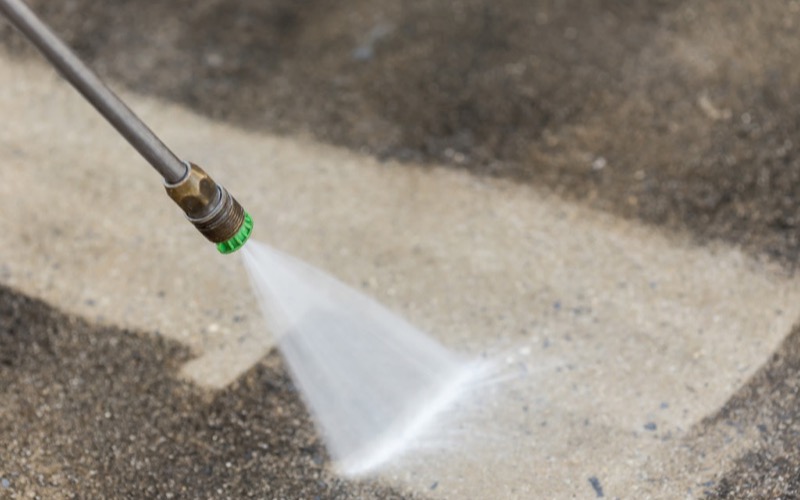
Years of dirt, oil drips, tire marks, and mildew can leave a driveway looking gray and grimy, even when the rest of the house is spotless. Learning how to pressure wash a driveway is one of the most satisfying outdoor projects you can tackle, with dramatic before-and-after results in a single afternoon. Done correctly it's safe and effective; done carelessly it can etch concrete or blast apart pavers, so technique matters.
Why Pressure Washing Beats Scrubbing
A garden hose and a stiff brush will never reach the dirt ground deep into porous concrete. A pressure washer drives water into the surface at high force, lifting embedded grime, algae, and stains that scrubbing can't touch. The result is a clean, even surface and an instant boost to your home's curb appeal, often the cheapest exterior upgrade you can make. A clean driveway also makes the rest of your exterior look brighter by contrast, and it removes the slippery algae film that can turn a wet driveway into a fall hazard.
What PSI Should You Use on Concrete?
For concrete driveways, a pressure washer in the 3,000 PSI range with a flow of at least 4 gallons per minute does the job efficiently. Pair it with a 25-degree nozzle for general cleaning or a surface-cleaner attachment for streak-free results. For softer surfaces like pavers or stamped concrete, drop to a gentler 15-degree approach and keep the nozzle moving so you don't carve grooves.
Tools and Materials You'll Need
- Pressure washer (electric for light jobs, gas for large driveways)
- A 25-degree nozzle and a surface-cleaner attachment
- Concrete or driveway detergent
- A degreaser for oil stains
- A stiff push broom
- Eye protection and closed-toe shoes
- A garden hose for rinsing
Step-by-Step: How to Pressure Wash a Driveway
- Clear the driveway of cars, planters, and debris, then sweep away loose dirt and leaves.
- Pre-treat oil stains and grease spots with a degreaser and let it dwell for the time on the label.
- Apply driveway detergent with a low-pressure soap nozzle and let it sit for five to ten minutes without drying out.
- Switch to a 25-degree nozzle or surface cleaner and work in overlapping passes, holding the wand a consistent distance from the surface.
- Keep the nozzle moving steadily to avoid leaving streaks or etch marks in the concrete.
- Work systematically from one end to the other, pushing dirty water toward the drain or street.
- Rinse the entire surface with clean water and let it dry fully before parking on it again.
Distance and motion protect your concrete. Hold the wand too close or pause too long and you'll etch permanent lines you can't undo.
Tackling Tough Stains
- Oil and grease: apply a dedicated degreaser, let it dwell, then pressure wash
- Rust: use an oxalic-acid rust remover made for concrete before washing
- Mildew and algae: a detergent with a mild bleach or oxygen booster lifts organic growth
- Tire marks: pre-treat with degreaser and use a slightly tighter nozzle angle
Frequently Asked Questions
Can pressure washing damage concrete?
Yes, if you use too much pressure, hold the nozzle too close, or pause in one spot. Keep the wand moving, maintain a consistent distance of about a foot, and use an appropriate nozzle angle. Surface-cleaner attachments spread the force evenly and are the safest choice for large flat areas.
Should I seal my driveway after pressure washing?
Sealing is a smart follow-up. Once the concrete is fully dry, applying a quality concrete sealer protects against future stains, water penetration, and weathering, and it keeps your freshly cleaned driveway looking good far longer. Wait at least 24 to 48 hours after washing before sealing.
How often should I pressure wash my driveway?
Once a year is plenty for most homes, ideally in spring or early summer. If you park under heavy trees, have frequent oil drips, or live somewhere with a lot of algae growth, twice a year keeps the surface looking its best.
Rather have a pro handle it?
Get matched with a vetted, insured local pro in about 30 minutes — and track them on the live map.