Please fill out the form below and we will get back to you as soon as possible.

Blog
How to Clean a Pool Filter: Cartridge, Sand & DE
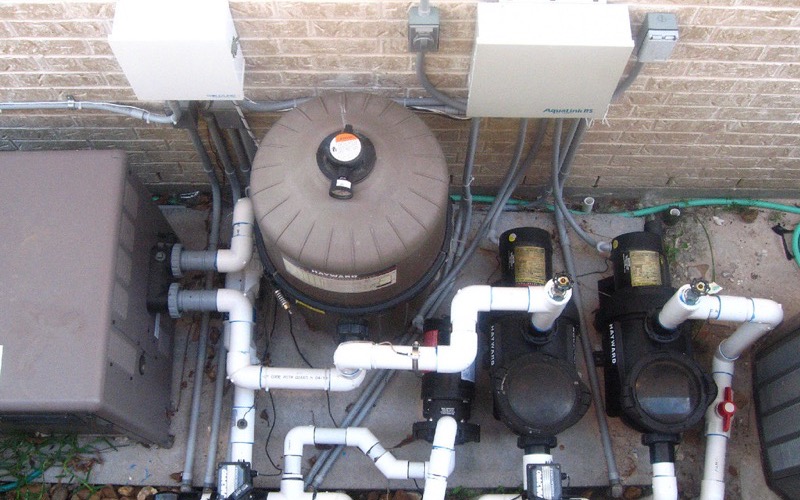
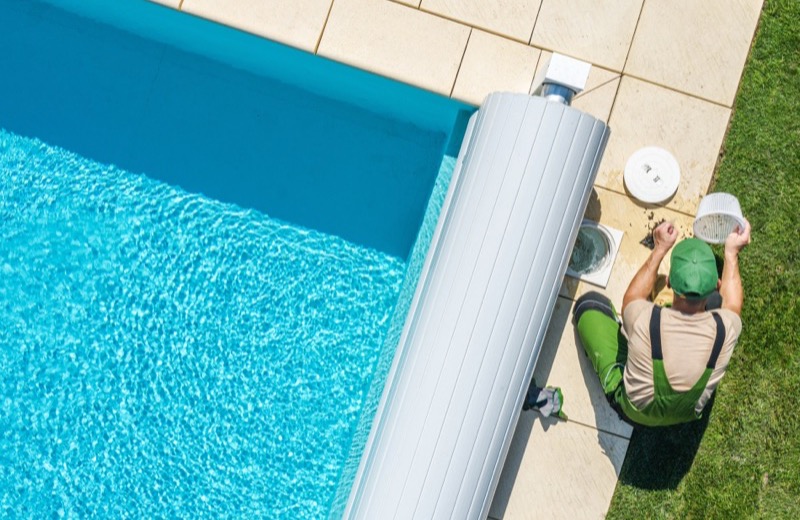
Your pool filter is the hardest-working part of your entire system, trapping dirt, oils, leaves, and microscopic debris every time the pump runs. When it clogs, water flow drops, your pool turns cloudy, and your pump strains under pressure. Learning how to clean a pool filter is one of the highest-payoff maintenance skills you can pick up, and it directly affects how clear and healthy your water stays.
There are three common filter types, each cleaned a little differently: cartridge, sand, and diatomaceous earth (DE). This guide covers proper pool filter maintenance for all three, plus how to read your filter pressure gauge so you always know when it is time.
How to Know When Your Filter Needs Cleaning
The simplest indicator is your pressure gauge. Note the pressure reading when your filter is freshly cleaned. Once it rises 8 to 10 psi above that clean baseline, flow is restricted and it is time to clean. Other warning signs include weak return jets, cloudy water that will not clear, and a pump that runs hotter or louder than usual.
Write your clean-filter pressure on a piece of tape by the gauge. That single number turns guesswork into a precise maintenance schedule.
Tools and Materials You Will Need
- Garden hose with a spray nozzle (no high-pressure power washer, which damages media)
- Filter cartridge cleaner or a diluted degreaser
- A clean bucket for soaking cartridges
- Replacement DE powder (for DE systems)
- Lubricant for o-rings and a filter wrench if needed
- Gloves and eye protection, especially when handling DE powder
How to Clean a Cartridge Filter
Cartridge filters are the most common in newer pools and the easiest to maintain. A quick rinse handles routine cleaning; a chemical soak every few months removes embedded oils and sunscreen.
- Turn off the pump and release the air using the relief valve before opening the housing.
- Remove the cartridge and rinse it top to bottom, spreading the pleats so the spray reaches deep between them.
- For a deep clean, soak the cartridge overnight in a filter-cleaning solution to dissolve oils and built-up grime.
- Rinse thoroughly, inspect for tears or flattened pleats, and replace the cartridge if it is worn.
- Reinsert the cartridge, check the housing o-ring, reassemble, and restart the pump, bleeding off trapped air.
How to Backwash a Sand Filter
Sand filters clean themselves by reversing the water flow, a process called backwashing, which flushes trapped dirt out to waste.
- Turn off the pump, then set the multiport valve to the backwash position.
- Restart the pump and run it until the sight glass runs clear, usually two to three minutes.
- Turn the pump off, switch the valve to rinse, and run for about 30 seconds to resettle the sand bed.
- Turn off the pump, return the valve to filter, and restart, noting the fresh clean-pressure reading.
- Replace the sand every five to seven years, as old, rounded sand stops filtering effectively.
How to Clean a DE Filter
DE filters offer the finest filtration but require recharging with fresh powder after cleaning. They are backwashed like a sand filter, then replenished with DE through the skimmer.
- Backwash the filter following the same valve sequence as a sand filter.
- Once or twice a season, open the filter and hose off the grids to remove caked-on DE and debris.
- Inspect the grids and manifold for tears or cracks, replacing any damaged parts.
- Reassemble, then add the correct amount of fresh DE powder slowly through the skimmer with the pump running.
Frequently Asked Questions
How often should I clean my pool filter?
Clean whenever the pressure rises 8 to 10 psi above the clean baseline, which for most pools is every one to three months during swim season. Cartridge filters benefit from a deep chemical soak two to three times a year, and sand and DE filters should be backwashed whenever pressure climbs.
Can I use a pressure washer to clean a cartridge?
No. A pressure washer forces debris deeper into the pleats and can shred the fabric, ruining the cartridge. Stick to a garden hose with a standard spray nozzle and let a cleaning soak do the heavy lifting for stubborn oils and grime.
Why is my pool still cloudy after cleaning the filter?
Cloudy water often points to a chemistry imbalance rather than the filter alone. Test and balance your pH, alkalinity, and chlorine, and check for high calcium or low sanitizer. If the filter is clean, chemistry is balanced, and water stays cloudy, it may signal a circulation or equipment problem worth having a pro inspect.
Rather have a pro handle it?
Get matched with a vetted, insured local pro in about 30 minutes — and track them on the live map.