Please fill out the form below and we will get back to you as soon as possible.

Blog
How to Fix a Cloudy Pool Fast: Causes & Solutions
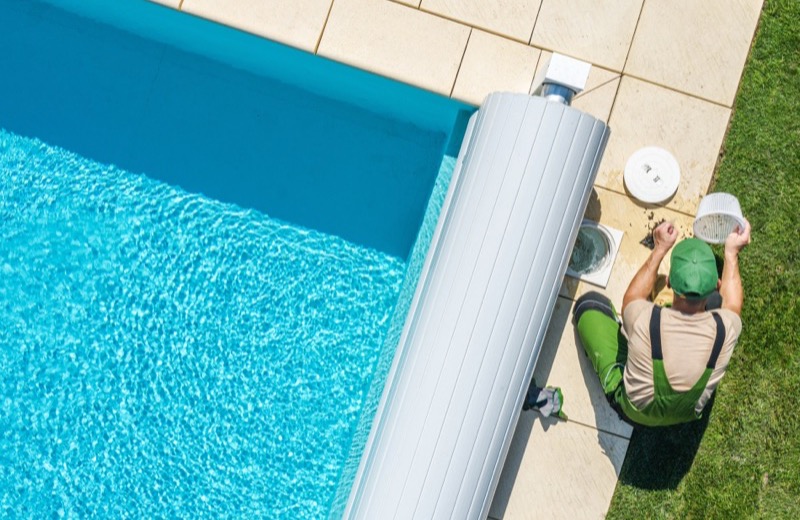
Few things are more frustrating than walking out to a pool that has turned cloudy, milky, or hazy overnight. The good news is that cloudy pool water is almost always fixable, and once you understand the cause, the solution is usually straightforward. This guide explains why your pool is cloudy and walks you through exactly how to fix a cloudy pool fast.
Cloudiness happens when tiny particles, chemical imbalances, or poor circulation keep the water from clearing. Pinpoint which of these is at play and you can often restore crystal-clear blue within a day or two.
Why Is My Pool Cloudy? The Top Causes
Before treating the water, identify the culprit. Most cloudy pool water causes fall into one of these categories, and many pools suffer from more than one at once.
- Chemical imbalance, especially high pH, high alkalinity, or low free chlorine
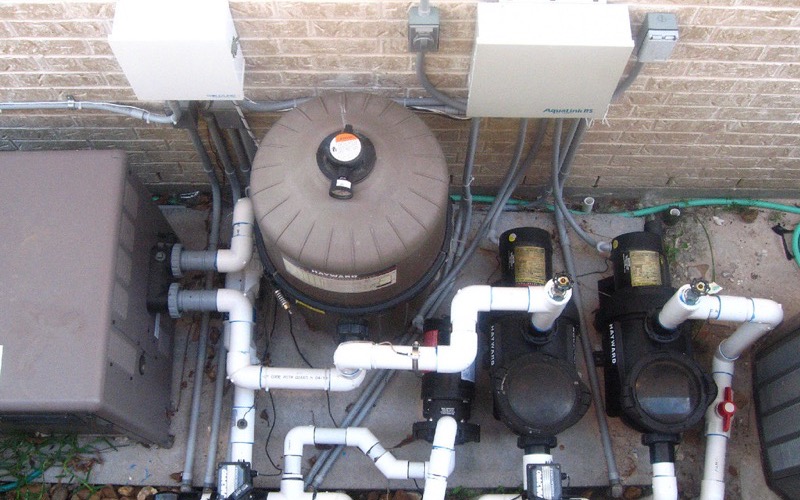
- Poor filtration from a dirty filter or a pump that does not run long enough
- Inadequate circulation that leaves dead spots where debris settles
- High calcium hardness causing scale and milky water
- Fine debris, pollen, or algae in its very early stage
- Heavy use, rain, or runoff introducing contaminants
Cloudy water is your pool asking for help. Treat it within a day or two and it clears easily; ignore it and early haze can bloom into full-blown algae.
Tools and Materials You Will Need
- A reliable test kit for pH, alkalinity, chlorine, and calcium hardness
- Pool shock (calcium hypochlorite or a non-chlorine shock)
- Water clarifier or a flocculant for stubborn cloudiness
- A clean, functioning filter (see our filter-cleaning guide)
- Telescoping pole with brush and vacuum head
- Balancing chemicals to correct pH and alkalinity
Step-by-Step: How to Clear a Cloudy Pool
- Test the water and record pH, total alkalinity, free chlorine, and calcium hardness.
- Balance chemistry first: bring pH to 7.4 to 7.6, alkalinity to 80 to 120 ppm, and correct calcium if it is high.
- Shock the pool to raise free chlorine and kill early algae or organic contaminants, doing it in the evening for best results.
- Run the filter continuously, ideally 24 hours, and clean or backwash it as the cloudiness lifts and it traps debris.
- Brush the walls and floor to suspend settled particles so the filter can capture them.
- If the water is still hazy, add a clarifier to clump fine particles together, or use a flocculant and vacuum to waste for fast results.
Clarifier vs. Flocculant: Which to Use
These two products both tackle fine particles but work differently. A clarifier gently coagulates tiny particles into larger ones your filter can catch over a day or so, making it the gentle, hands-off choice. A flocculant is the heavy hitter: it drags particles to the bottom in a cloud you then vacuum directly to waste, clearing severe cloudiness quickly but requiring more effort and water replacement. For mild haze, reach for a clarifier; for a badly milky pool you need clear by the weekend, flocculant gets results.
How to Keep Your Pool from Getting Cloudy Again
Prevention is far easier than a rescue. Test your water two to three times a week, keep free chlorine in the 1 to 3 ppm range, and run your pump long enough each day to turn over the entire pool volume. Clean your filter on schedule, brush the walls weekly, and shock after heavy use or rain. Consistent habits keep the water clear and spare you the scramble of fixing a cloudy pool under the summer sun.
Frequently Asked Questions
How long does it take to clear a cloudy pool?
With balanced chemistry, a clean filter, and continuous circulation, mild cloudiness often clears within 24 hours. A clarifier may take a day or two, while a flocculant followed by vacuuming can clear severe cloudiness in a single session. The key is running the filter long enough to capture the suspended particles.
Is it safe to swim in a cloudy pool?
It is best to wait. Cloudy water can signal low sanitizer and rising bacteria or early algae, and reduced visibility is also a safety hazard since you cannot clearly see the bottom. Clear and rebalance the water before anyone swims.
Can a dirty filter cause cloudy water?
Absolutely. A clogged filter cannot trap the fine particles that cause cloudiness, so the water never clears no matter how perfect the chemistry. Clean or backwash your filter as part of any cloudy-pool fix, and keep an eye on the pressure gauge going forward.
Rather have a pro handle it?
Get matched with a vetted, insured local pro in about 30 minutes — and track them on the live map.