Please fill out the form below and we will get back to you as soon as possible.

Blog
How to Open and Close Your Pool for the Season
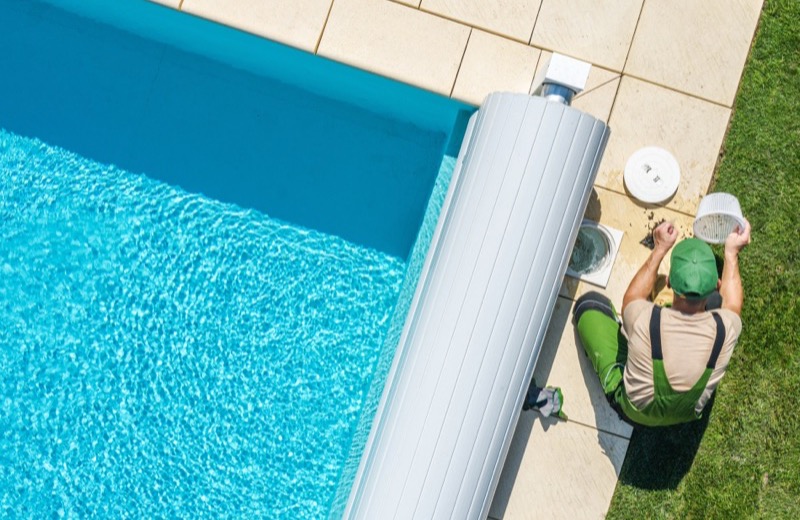
Knowing how to open a pool in spring and how to close a pool for the season is one of the most valuable skills a pool owner can have. Done right, a clean opening means crystal-clear water in days instead of weeks of battling algae, while a proper closing protects your equipment from freeze damage, debris, and a green mess come spring.
This pool opening checklist and closing guide breaks the whole process into manageable steps. Even in milder climates like San Diego, a thoughtful seasonal routine keeps your water balanced, your equipment healthy, and your maintenance costs low year-round.
Tools and Materials You Will Need
- Pool cover and cover pump or a strong shop vacuum
- Telescoping pole with skimmer net and brush
- Water test kit and a starter set of balancing chemicals
- Pool shock and algaecide
- Winterizing plugs and a skimmer cover (for closing)
- Pool antifreeze rated for plumbing (cold-climate closing only)
- Lubricant for o-rings and a thread tape for fittings
How to Open Your Pool in Spring
Spring opening is all about getting circulation and chemistry running before algae gets a foothold. Pick a warm, dry day and work through these steps without rushing the water-balancing stage.
- Clear standing water and debris off the cover, then carefully remove it and lay it out to dry before folding and storing.
- Reinstall return fittings, ladders, and any equipment you removed for winter, replacing worn o-rings with fresh lubricant.
- Top off the water to the middle of the skimmer, then prime and start the pump and filter system.
- Run the system for several hours, then test and balance alkalinity, pH, and chlorine to the proper ranges.
- Shock the pool and add a maintenance dose of algaecide, running the filter continuously for 24 to 48 hours.
- Brush and vacuum the walls and floor, clean the filter, and retest before anyone swims.
Open earlier than you think you need to. Starting circulation while the water is still cool makes it far harder for algae to bloom and saves you a week of cleanup.
How to Close and Winterize Your Pool
Closing protects your investment during months of disuse. The goal is balanced water, clean equipment, and protected plumbing so nothing cracks, stains, or turns green. In freezing climates the winterizing steps are essential; in mild climates you can simplify but should still balance and cover.
- Deep-clean the pool: brush, vacuum, and net out all debris so nothing decomposes under the cover.
- Balance the water chemistry, nudging pH slightly higher and adding winterizing chemicals or a long-lasting algaecide.
- Lower the water level below the skimmer if you are in a freezing climate, following your equipment manual.
- Drain and blow out the pump, filter, heater, and plumbing lines, then add pool-rated antifreeze where recommended.
- Install winterizing plugs in the lines, a skimmer cover, and remove and store ladders, baskets, and accessories.
- Fit a tight, secure cover and check it periodically through the off-season for water buildup or shifting.
Off-Season Care So Spring Is Easy
A closed pool is not a forgotten pool. Check the cover after storms, pump off standing water, and clear leaves before they pile up and stain the cover or sag it into the water. In milder climates where the pool stays partially active, keep the pump running on a reduced schedule and test the water every couple of weeks. A little off-season attention turns spring opening into a quick, satisfying task instead of a multi-weekend rescue mission.
Frequently Asked Questions
When should I open and close my pool?
A good rule is to open when daytime temperatures consistently reach the 70s and close once they regularly drop below 65 degrees. Opening early prevents algae, and closing before a cold snap protects plumbing. In year-round-swim climates, many owners skip a full closing and simply scale back their routine.
Do I need to drain my pool to close it?
Usually no. Most pools should never be fully drained, as an empty pool can crack, shift, or pop out of the ground. For winterizing you typically lower the level just below the skimmer, never empty it completely. If you think a full drain is needed for repairs, consult a pro first.
How do I prevent algae over the off-season?
Balance the water, shock it, and add a long-lasting winter algaecide right before covering. A tight cover that blocks sunlight and debris is your best defense. Checking the cover and water periodically through the season keeps small problems from becoming a green pool by spring.
Rather have a pro handle it?
Get matched with a vetted, insured local pro in about 30 minutes — and track them on the live map.