Please fill out the form below and we will get back to you as soon as possible.

Blog
Flickering Lights: Easy DIY Fixes vs. When to Call a Pro

A light that flickers now and then is easy to ignore, but it's also your home's way of sending a message. Sometimes that message is harmless, like a loose bulb. Other times, flickering lights are an early warning of a wiring problem that can lead to overheating or even a fire. The trick is knowing how to tell the difference.
In this guide we'll walk through why lights flicker, the simple DIY fixes you can try safely, and the red flags that mean you should stop troubleshooting and call a licensed electrician right away.
Common Causes of Flickering Lights
Flickering ranges from completely benign to genuinely urgent. Here are the usual suspects, roughly from least to most serious.
- A loose or worn bulb that isn't fully seated in the socket.
- An incompatible bulb and dimmer, especially non-dimmable LEDs on a dimmer switch.
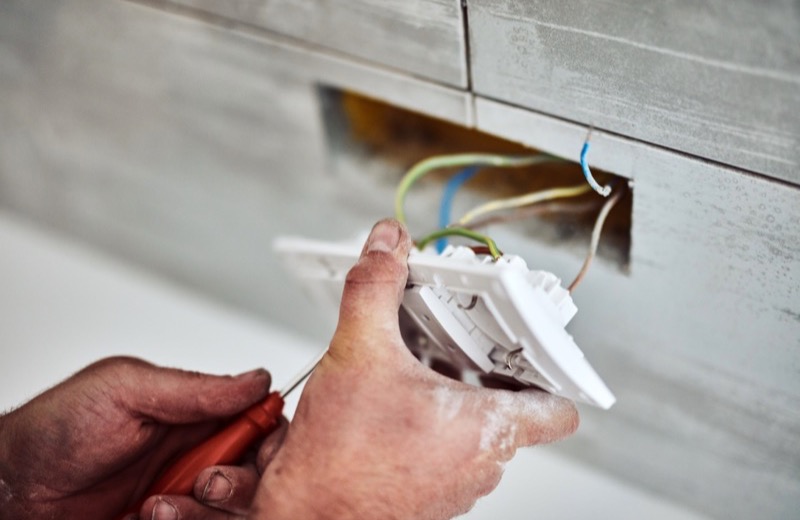
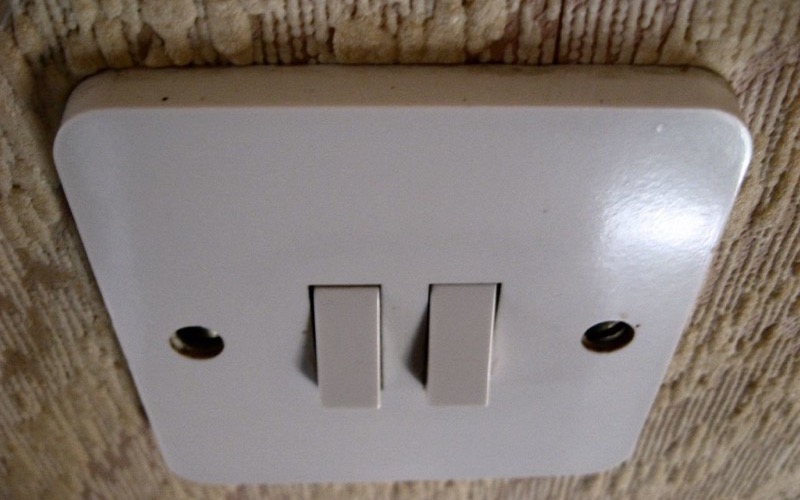
- A loose connection at the switch, fixture, or outlet.
- A large appliance like an AC or dryer briefly dimming lights when it starts up.
- Overloaded circuits drawing more power than they can supply.
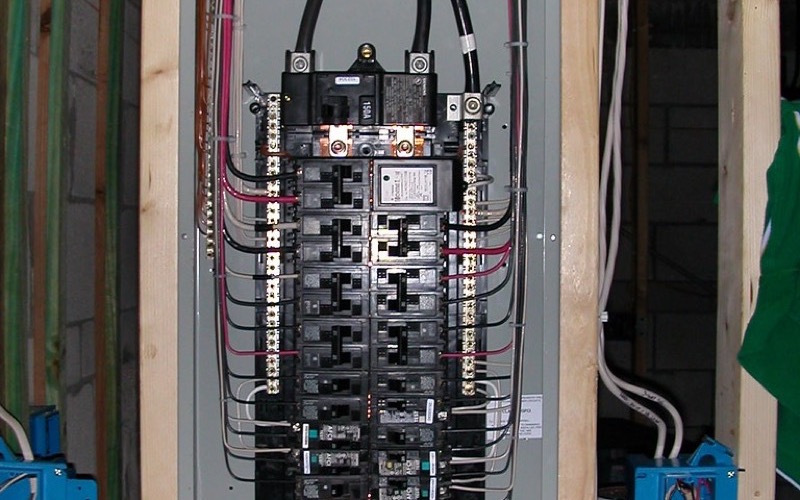
- Loose or corroded wiring inside the walls, or a problem at the electrical panel or service connection.
One flickering bulb is a bulb problem. Multiple lights flickering across the whole house is a wiring problem, and that's the line where DIY ends and a pro begins.
DIY Fixes You Can Try Safely
If the flickering is isolated to one fixture, start with these low-risk checks before calling anyone.
- A ladder or step stool
- Replacement bulbs (correct type and wattage)
- A dimmer-compatible LED bulb if you use dimmers
- A non-contact voltage tester
- Turn off the light and gently tighten the bulb. A loose bulb is the single most common cause of flickering.
- Swap in a new bulb of the correct type and wattage to rule out a failing bulb.
- If the flickering is on a dimmer, confirm your bulbs are labeled dimmable and compatible with that dimmer.
- Note whether the flicker happens when a big appliance kicks on. Occasional dimming at startup is usually normal, but frequent or severe dimming is not.
- If the flickering continues after a fresh, correct bulb, stop here. The problem is likely in the wiring, not the bulb.
Warning Signs You Should Never Ignore
Some symptoms point to a fault that can overheat wiring and start a fire. If you notice any of these alongside flickering lights, treat it as urgent.
- Lights flickering or dimming throughout the whole house
- A burning smell, scorch marks, or discoloration near outlets, switches, or the panel
- Outlets or switch plates that feel warm to the touch
- Buzzing or crackling sounds from fixtures, outlets, or the panel
- Frequently tripping breakers along with the flickering
Frequently Asked Questions
Why are the lights flickering in my whole house?
Whole-house flickering usually points to a problem beyond a single bulb, such as a loose connection at the electrical panel, an overloaded service, or an issue with the incoming power line. Because these can be hazardous, have a licensed electrician inspect it rather than troubleshooting yourself.
Is it dangerous if my lights flicker when the AC turns on?
A brief, slight dim when a large appliance starts is often normal, since it draws a surge of power for a moment. But if the dimming is dramatic, lasts more than a second, or happens with smaller appliances too, that suggests an undersized or overloaded circuit worth having checked.
Can flickering lights cause a fire?
Indirectly, yes. Flickering caused by loose or damaged wiring means electricity is arcing or connections are overheating, both of which can ignite surrounding materials. That's why persistent, unexplained flickering should always be evaluated by a professional.
Rather have a pro handle it?
Get matched with a vetted, insured local pro in about 30 minutes — and track them on the live map.