Please fill out the form below and we will get back to you as soon as possible.

Blog
How to Reset a Tripped Breaker Safely: A Homeowner's Guide
The microwave dies mid-popcorn, the bathroom goes dark, and one corner of your house suddenly has no power. Before you panic or call an electrician, there's a good chance a circuit breaker simply tripped. Learning how to reset a tripped breaker safely is one of the most useful home skills you can pick up, and it usually takes less than five minutes.
A breaker trips on purpose. It's a safety device that cuts power when a circuit draws more current than it can safely handle, protecting your wiring from overheating. So a single trip is rarely a crisis. The key is resetting it correctly and recognizing when a tripped circuit breaker is trying to warn you about something bigger.
Why Circuit Breakers Trip in the First Place
Knowing the cause helps you avoid a repeat. Most trips come down to one of three things, and each has a different fix.
- Overload: Too many devices on one circuit, like a space heater, hair dryer, and microwave all running together.
- Short circuit: A hot wire touches a neutral or ground, causing a sudden surge. This often comes with a pop or a burning smell.
- Ground fault: Common in kitchens and bathrooms, where moisture lets current leak to ground. GFCI outlets usually catch these first.
If a breaker trips the instant you reset it, stop. That's not a fluke, it's the panel telling you there's a real fault on the circuit.
Tools and Materials You'll Need
- A flashlight or your phone's light
- Dry, rubber-soled shoes (never stand on a wet floor)
- A notepad or your phone to label circuits
- Optional: a non-contact voltage tester for peace of mind
How to Reset a Tripped Breaker Safely, Step by Step
- Unplug or switch off the devices on the affected circuit, especially high-draw appliances. This prevents an immediate re-trip.
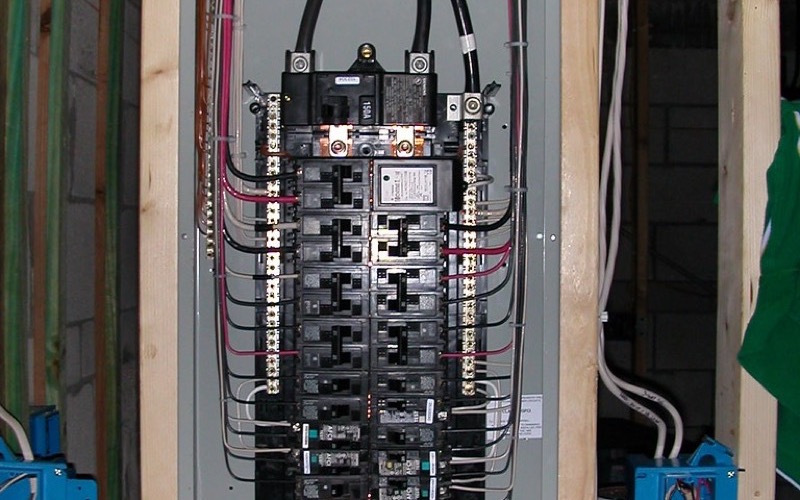
- Find your electrical panel, usually in a garage, basement, hallway closet, or utility area.
- Open the panel door and look for a breaker that's out of line with the others. A tripped breaker sits in the middle or in the 'off' position.
- Push the breaker firmly all the way to 'off' first. This fully resets the internal mechanism, which many people skip.
- Now flip it firmly back to 'on.' You should feel a solid click.
- Return to the room and confirm power is restored. Plug devices back in one at a time to avoid overloading the circuit again.
If the lights come back and stay on, you're done. Take a moment to note which breaker controls which area so you're faster next time. A clearly labeled electrical panel saves real frustration during the next outage.
When a Breaker Keeps Tripping
A breaker that keeps tripping is a different story. If it won't stay on, trips again within minutes, or trips with nothing plugged in, you likely have an overloaded circuit, a failing breaker, or faulty wiring hidden in the walls. Repeatedly forcing a breaker on can overheat the panel and create a fire risk, so don't keep fighting it.
Frequently Asked Questions
Is it safe to reset a tripped breaker myself?
Yes, resetting a single tripped circuit breaker is a safe, routine task as long as the panel is dry, you're not standing in water, and there are no signs of burning or damage. Resetting a breaker does not require opening any wiring, just flipping a switch.
Why does my breaker trip when I use the microwave and toaster together?
That's a classic overload. Both are high-draw appliances, and running them on the same circuit can exceed its rating. Spread heavy appliances across different circuits, or have an electrician add a dedicated circuit for the kitchen.
What if I can't find the tripped breaker?
Some breakers barely move when they trip. Look closely for one that feels loose or springy. If a GFCI outlet is involved, check for a tripped reset button on the outlet itself. If you still can't restore power, an electrician can quickly trace the fault.
Rather have a pro handle it?
Get matched with a vetted, insured local pro in about 30 minutes — and track them on the live map.