Please fill out the form below and we will get back to you as soon as possible.

Blog
How to Childproof Electrical Outlets: A Parent's Safety Guide
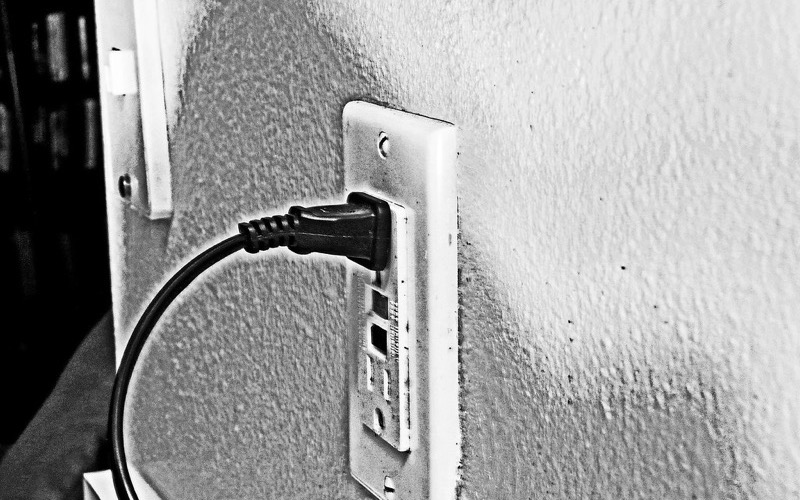
To a crawling baby, an electrical outlet at floor level looks like an invitation. Little fingers, hairpins, and keys all fit perfectly into those slots, and the result can be a serious shock or burn. Learning how to childproof electrical outlets is one of the simplest, most important baby-proofing steps you can take, and you have more options than the flimsy plastic plugs you may remember.
This guide breaks down every way to childproof outlets, from quick five-dollar fixes to permanent tamper-resistant outlets, so you can choose the right level of protection for your home and your kids.
Your Childproofing Options, From Easiest to Most Secure
Not all outlet safety products are equal. Some are cheap stopgaps, others are built into the wall. Here's how they compare.
- Plug-in caps: Cheap and instant, but a choking hazard once removed, and many toddlers learn to pull them out.
- Sliding outlet covers (self-closing plates): Replace the faceplate so the slots automatically cover when a plug is removed. A big upgrade over caps.
- Box outlet covers: Bulky covers that hide whole power strips or plugged-in cords, good for stopping kids from unplugging things.
- Tamper-resistant receptacles (TR outlets): The gold standard. Internal shutters block anything that isn't a real two-prong plug. Required by code in new homes.
Plug-in caps are better than nothing, but they create a choking hazard the moment a curious toddler pries one loose. Sliding plates and tamper-resistant outlets remove that trade-off entirely.
Tools and Materials You'll Need
- Self-closing sliding outlet plates or tamper-resistant outlets
- Phillips and flathead screwdrivers
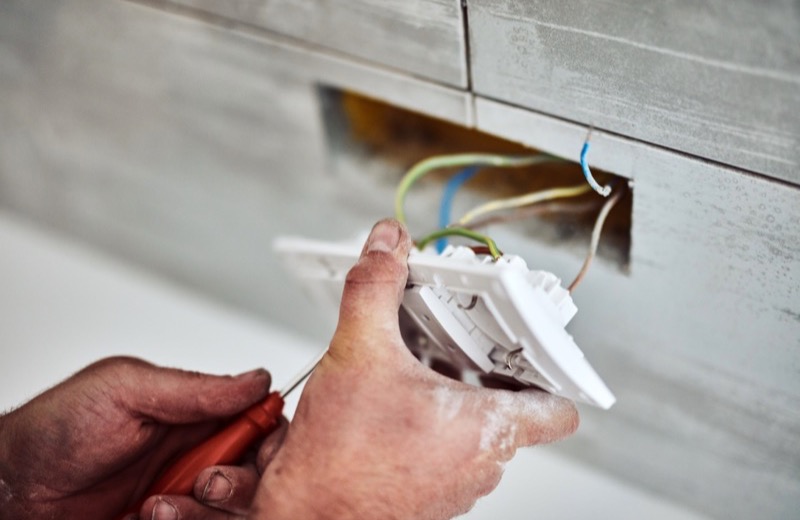
- Non-contact voltage tester (for outlet replacement)
- Outlet box covers for power strips
- Cord shorteners or cord covers to manage dangling cords
How to Install a Self-Closing Outlet Cover, Step by Step
Swapping a standard faceplate for a self-closing sliding cover is a no-wiring, beginner-friendly fix that takes about two minutes per outlet.
- Unscrew the center screw on the existing outlet faceplate and remove the plate.
- Hold the new sliding cover plate against the outlet and line up the screw hole.
- Screw the new plate into place with the same center screw.
- Test it by inserting and removing a plug. The spring-loaded cover should slide closed on its own when the plug is pulled out.
- Repeat for every reachable outlet in rooms where your child spends time.
Don't Forget Cords and Power Strips
Outlets are only half the picture. Dangling cords invite tugging, and power strips are a tempting target. Use box covers to enclose power strips, shorten or bundle excess cord length, and keep heavy items off cords that a child could yank down.
It also pays to childproof outlets at toddler height behind furniture, where extension cords and chargers often hide. Walk each room on your knees to see the space from your child's point of view, and you'll spot tempting outlets and cords you'd otherwise miss. Reassess every few months, because as kids grow taller and more clever, yesterday's safe outlet becomes today's discovery.
Childproofing is never one and done. Kids get taller, faster, and more determined, so a quick re-check every season keeps your outlet safety a step ahead of them.
Frequently Asked Questions
Are plug-in outlet caps safe for babies?
They offer basic protection but have two drawbacks: many toddlers can pull them out, and a removed cap becomes a choking hazard. Self-closing sliding plates or tamper-resistant outlets are safer, longer-term choices.
What are tamper-resistant outlets?
Tamper-resistant receptacles have spring-loaded internal shutters that only open when equal pressure is applied to both slots at once, like a real plug. A single object, such as a key or hairpin, can't get through. They're required in new construction and are the most reliable way to childproof outlets.
At what age should I childproof outlets?
Before your baby starts crawling, usually around six months. Once they're mobile, outlets at floor level become an immediate temptation, so it's best to have protection in place ahead of time.
Rather have a pro handle it?
Get matched with a vetted, insured local pro in about 30 minutes — and track them on the live map.