Please fill out the form below and we will get back to you as soon as possible.

Blog
How to Find and Shut Off Your Water Main (Emergency Guide)
When a pipe bursts or a fixture lets go, the difference between a quick cleanup and thousands of dollars in damage comes down to one thing: how fast you can shut off the water. Yet most homeowners have no idea where their main shutoff valve is. Learning how to shut off your water main now, before an emergency, is one of the most important pieces of home knowledge you can have. It takes five minutes to locate today and could save your floors, drywall, and sanity tomorrow.
Where Is the Main Water Shut Off Valve Located?
Every home has at least one main water shutoff, and in many cases two. The interior valve controls water inside the house, while the curb or street valve at the meter is the utility's shutoff. For a typical San Diego home, check these spots in order.
- Along an interior wall on the side of the house facing the street, often in a garage, basement, or utility closet
- Near the water heater or where the main line enters the house
- Outside in a covered ground box near the sidewalk, where the water meter sits
- In warmer climates like ours, frequently on an exterior wall near a hose bib
Know Your Valve Type Before You Need It
There are two common valve styles, and they shut off differently. A ball valve has a straight lever handle, turn it a quarter turn so the handle is perpendicular to the pipe to stop the flow. A gate valve has a round wheel handle, turn it clockwise several full rotations until it stops. Knowing which you have means no fumbling during a crisis.
Tools You May Need
- A flashlight to find valves in dark corners
- A water meter key or long flathead screwdriver for the curb valve
- Adjustable pliers in case an interior valve is stiff
- Your phone, to snap a photo of the valve location for everyone in the household
How to Shut Off Your Water Main: Step by Step
- Locate the main shutoff valve using the spots listed above, and do this today, not during a flood.
- For a ball valve, turn the lever a quarter turn until it sits crosswise to the pipe.
- For a gate valve, turn the round handle clockwise until it stops, usually several full turns.
- Open a faucet on the lowest level of the house to confirm the water flow stops and to relieve pressure in the lines.
- If the interior valve fails or won't budge, head to the curb box at the meter, lift the lid, and turn the curb valve with a meter key a quarter turn to off.
- After the emergency, turn the water back on slowly to avoid a pressure surge, then check for leaks at the repair point.
Exercise your main valve once a year by turning it fully off and on. Valves that sit untouched for a decade often seize, and you do not want to discover that mid-emergency.
Shutting Off Individual Fixtures
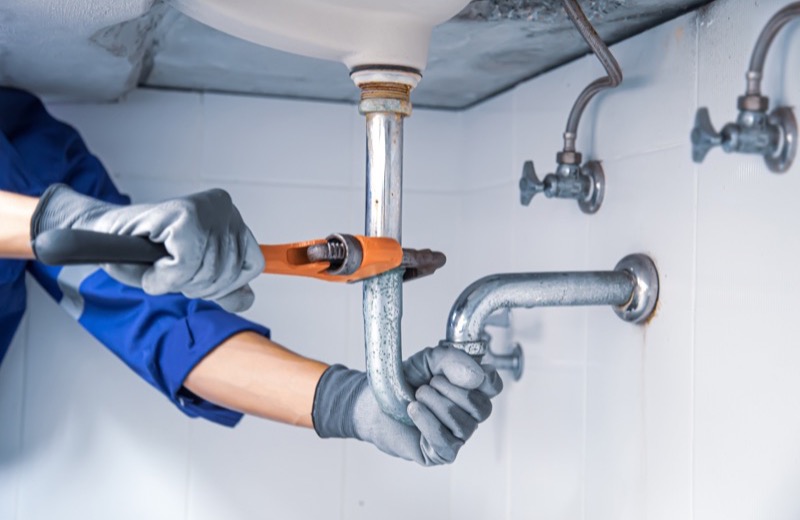
You don't always need the main. Most toilets, sinks, and the water heater have their own local shutoff valves. If a single fixture is leaking, turning its dedicated valve keeps water on for the rest of the house while you make the repair. The main is your backup when a local valve fails or the leak is in the main line itself.
Frequently Asked Questions
What if I can't find my main water shut off valve?
If you can't locate an interior valve, head straight to the water meter box near the street, usually a covered rectangle in the ground by the sidewalk. The curb-side valve next to the meter will shut off all water to the property. A meter key or long screwdriver lets you turn it.
Should I turn off the water main when I go on vacation?
Yes, shutting off your water main before an extended trip is smart insurance. A failed supply line or water heater can flood an empty house for days unnoticed. If you have an irrigation system or other automated water use, just confirm what each valve controls before you leave.
How do I turn the water back on without damaging my pipes?
Turn the main valve back on slowly rather than all at once. A sudden surge of pressure can cause water hammer or stress fittings. Open the valve gradually, then let a faucet run for a minute to clear air from the lines before checking your repair for leaks.
Rather have a pro handle it?
Get matched with a vetted, insured local pro in about 30 minutes — and track them on the live map.