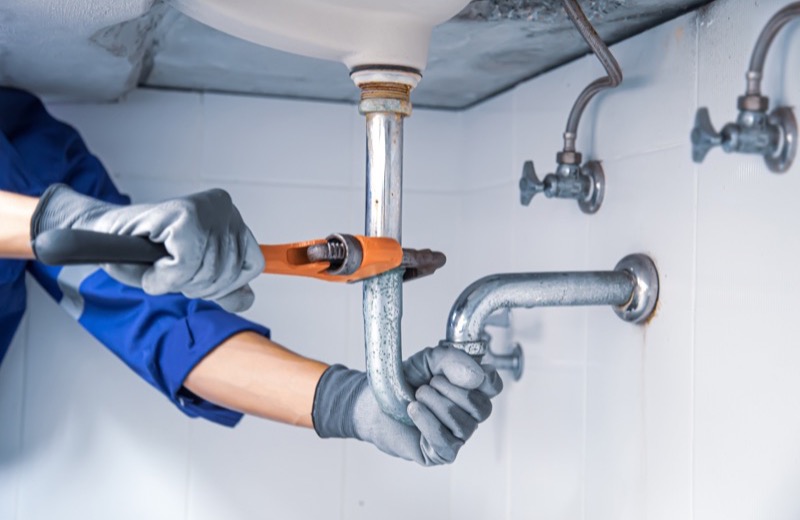
Please fill out the form below and we will get back to you as soon as possible.

Blog
How to Stop a Dripping Faucet (Step-by-Step DIY Fix)
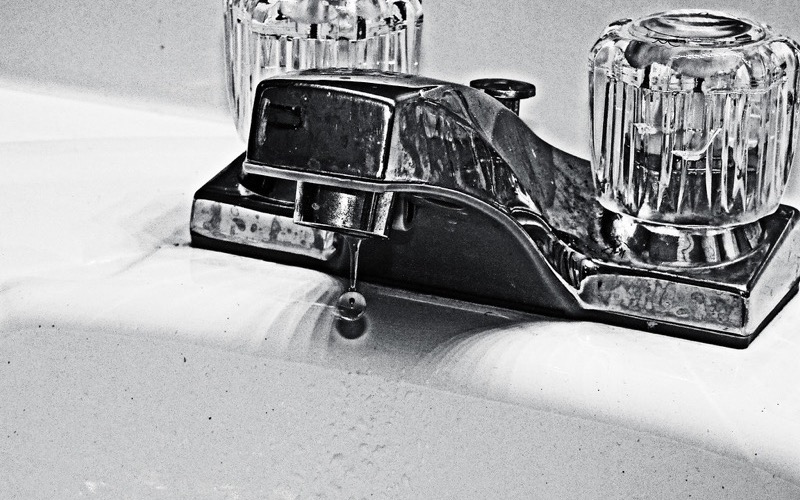
Drip. Drip. Drip. A leaky faucet is one of the most common and most ignored plumbing problems in the home, but that steady drip can waste thousands of gallons a year and slowly stain your sink. The reassuring part is that learning how to stop a dripping faucet is well within reach for most homeowners. With a few tools and the right replacement part, you can usually fix a leaky faucet in under an hour.
What Causes a Faucet to Drip?
A drip almost always means a worn internal part that can no longer create a watertight seal. The exact culprit depends on your faucet type. Compression faucets use rubber washers that flatten and crack over time. Cartridge, ball, and ceramic-disc faucets rely on cartridges and O-rings that wear out or get clogged with mineral buildup. Identifying your faucet type tells you which part to replace.
Identify Your Faucet Type
- Compression: two separate handles you must tighten firmly to stop the flow, common in older homes
- Cartridge: single or double handle that moves smoothly with little resistance
- Ball: single handle that swivels in all directions, common on kitchen sinks
- Ceramic disc: single lever over a wide cylindrical body, durable and modern
Tools and Materials You'll Need
- Adjustable wrench and a set of screwdrivers
- Replacement washers, O-rings, or a cartridge matched to your faucet brand
- Plumber's grease
- White vinegar for soaking mineral deposits
- A rag and a sink stopper or towel to cover the drain
How to Stop a Dripping Faucet: Step by Step
- Turn off the water at the shutoff valves under the sink, then open the faucet to release pressure and drain the line.
- Cover the drain with a stopper or rag so no small screws disappear down it.
- Pry off the decorative handle cap, remove the handle screw, and lift off the handle.
- Remove the retaining nut or clip, then pull out the cartridge or unscrew the stem to expose the washer or O-rings.
- Inspect the parts. Replace any cracked, flattened, or stiff washer, O-ring, or cartridge with an exact match.
- Soak any mineral-crusted parts in white vinegar, then wipe clean and apply a thin film of plumber's grease to new O-rings.
- Reassemble in reverse order, turn the water back on slowly, and test for drips at full and partial flow.
Always take the old cartridge or washer with you to the store. Faucet parts are brand and model specific, and a near match will leak again within weeks.
Dealing With Mineral Buildup
San Diego's hard water is rough on faucets. If your aerator (the screen at the tip of the spout) sputters or the flow seems weak, unscrew it and soak it in vinegar overnight. Mineral scale also shortens the life of cartridges, so a quick vinegar soak during any repair helps your faucet cartridge replacement last longer.
Frequently Asked Questions
Why does my faucet still drip after I replaced the washer?
If a new washer didn't fix it, the valve seat the washer presses against is probably corroded or pitted, so it can't form a seal. The seat can sometimes be resurfaced with a seat-dressing tool, but on a worn faucet it's often easier and longer-lasting to replace the whole valve or fixture.
Is a dripping faucet an emergency?
A slow drip is not an emergency, but it shouldn't be ignored, because it wastes water and can corrode the sink and trap. If you can't stop the flow even with the handle fully off, shut the supply valves under the sink and plan a repair soon to prevent water damage.
How much water does a dripping faucet waste?
A faucet dripping once per second wastes roughly 3,000 gallons a year, enough for over 180 showers. Fixing a leaky faucet quickly is one of the cheapest ways to lower your water bill and conserve water at home.
Rather have a pro handle it?
Get matched with a vetted, insured local pro in about 30 minutes — and track them on the live map.