Please fill out the form below and we will get back to you as soon as possible.

Blog
How to Fix a Running Toilet in 15 Minutes (DIY Guide)
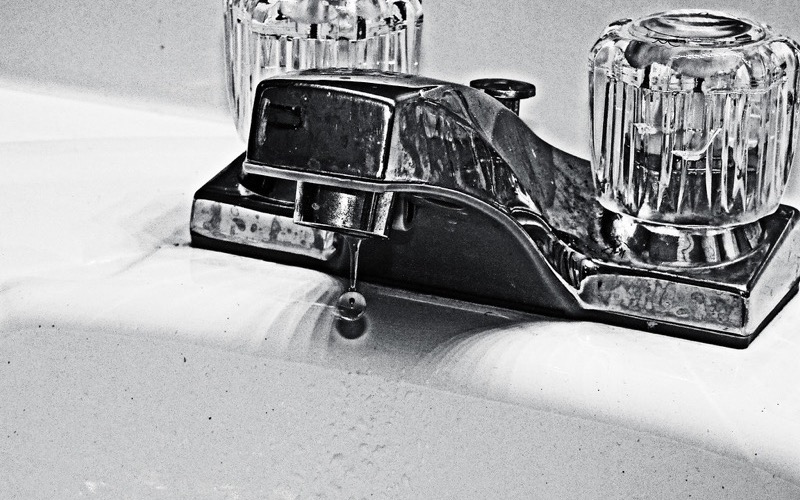
That endless hiss or trickle from your bathroom isn't just annoying, it's money draining away. A single running toilet can waste up to 200 gallons of water a day, quietly inflating your San Diego water bill. The good news: learning how to fix a running toilet is one of the easiest DIY plumbing wins out there, and you can usually do it in about 15 minutes with parts that cost less than $20.
Why Does a Toilet Keep Running?
Almost every running toilet comes down to one of three culprits inside the tank: a worn flapper that won't seal, a chain that's too tight or too loose, or a fill valve and float set to the wrong level. Lift the tank lid and watch a flush cycle. If water keeps trickling into the bowl after the tank refills, your flapper is the usual suspect. If water spills into the overflow tube, the float or fill valve is the problem.
Quick Diagnosis: The Food Coloring Test
Add a few drops of food coloring to the tank and wait 15 minutes without flushing. If color shows up in the bowl, your flapper is leaking and needs replacing. It's the fastest way to confirm a toilet flapper not sealing properly.
Tools and Materials You'll Need
- Replacement flapper (bring your old one to the store to match)
- Universal fill valve (only if the valve is the issue)
- Adjustable pliers
- A sponge or old towel
- Rubber gloves (optional but nice)
How to Fix a Running Toilet: Step by Step
- Turn off the water supply at the shutoff valve behind the toilet, then flush to empty the tank.
- Sponge out any remaining water at the bottom of the tank so you can work dry.
- Unhook the old flapper from the overflow tube pegs and detach the chain from the flush lever.
- Snap the new flapper onto the same pegs and reconnect the chain, leaving about a half inch of slack so it seals fully but still lifts.
- Turn the water back on and let the tank refill. Watch the water line, it should sit about one inch below the top of the overflow tube.
- If water still runs into the overflow tube, lower the float by adjusting the float screw or clip until the fill valve shuts off at the correct level.
- Do one final flush and the food coloring test to confirm the running toilet is fixed.
Pro tip: replace the flapper every few years as routine maintenance. Rubber hardens and warps over time, and a $5 part prevents thousands of gallons of slow waste.
When the Fill Valve Is the Problem
If a new flapper didn't solve it, the fill valve is likely worn. Replacing a fill valve is still a beginner-friendly job: shut off the water, drain the tank, disconnect the supply line, unscrew the locknut under the tank, lift out the old valve, and install the new one following the package instructions. Set the height so the valve sits about an inch above the overflow tube.
Frequently Asked Questions
Why does my toilet run randomly every few minutes?
That intermittent refill, sometimes called phantom flushing, is almost always a slow leak past the flapper. Water seeps from the tank into the bowl until the level drops enough to trigger the fill valve. Replacing the flapper fixes it in the vast majority of cases.
How much water does a running toilet waste?
A constantly running toilet can waste anywhere from 30 to over 200 gallons a day depending on the leak size. At San Diego water rates, that can add up to $50 or more a month, which is why fixing a running toilet quickly pays for itself almost immediately.
Can I fix a running toilet without turning off the water?
You can inspect and adjust the chain or float with the water on, but for flapper or fill valve replacement you should always shut off the supply first. It keeps the job dry and prevents an accidental overflow while you work.
Rather have a pro handle it?
Get matched with a vetted, insured local pro in about 30 minutes — and track them on the live map.