Please fill out the form below and we will get back to you as soon as possible.

Blog
How to Fix Peeling Paint on Walls and Ceilings
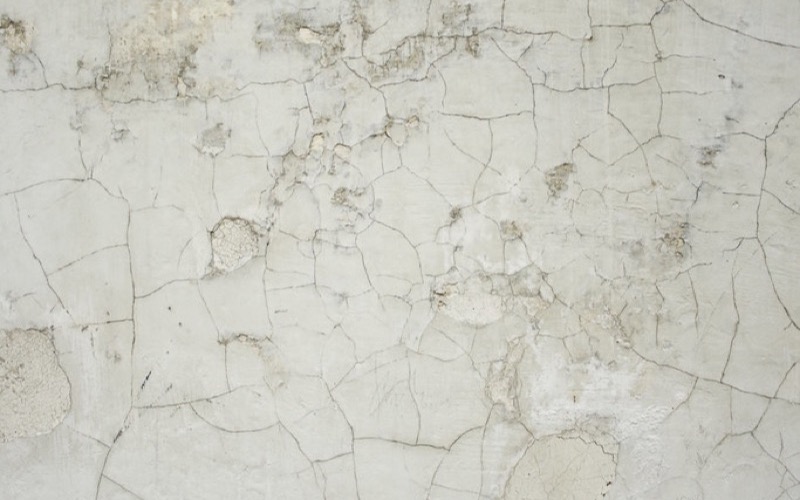
Few things make a fresh room feel tired faster than paint that's curling, flaking, or bubbling off the wall. The frustrating part is that simply slapping new paint over peeling paint never works — it'll lift again within months. To fix peeling paint for good, you need to understand why it happened, remove the failing layer properly, and prep the surface so the new coat actually grips. Here's exactly how to do it.
Why Is Your Paint Peeling?
Paint peels when it loses its bond to the surface underneath. Identifying the cause is the most important step, because if you don't fix the root issue, the new paint will fail too.
- Moisture: the number one cause — leaks, humidity, or steam in bathrooms and kitchens.
- Poor prep: painting over dirty, glossy, or unprimed surfaces.
- Old or incompatible paint: layering latex over oil-based paint without priming.
- Sun and heat exposure on exterior or sun-soaked interior walls.
- Applying paint too thick or in extreme temperatures.
Tools and Materials You'll Need
- Paint scraper and a 5-in-1 painter's tool
- Putty knife and spackling or patching compound
- Medium- and fine-grit sandpaper or a sanding block
- Stain-blocking, bonding primer
- Interior paint to match
- Drop cloth, dust mask, and safety glasses
- Damp sponge and mild cleaner
How to Fix Peeling Paint Step by Step
- Fix the moisture source first — repair any leak, add ventilation, or run a dehumidifier and let the wall dry completely.
- Lay down a drop cloth and put on a dust mask and eye protection.
- Scrape away all loose, flaking, and bubbling paint with your scraper until you reach a solid, well-adhered edge.
- Sand the transition between bare wall and remaining paint so there's no ridge to feel or see.
- Fill any gouges or uneven spots with patching compound, let dry, and sand smooth.
- Wipe down the wall to remove all dust and let it dry fully.
- Apply a quality bonding or stain-blocking primer over the repaired area.
- Once primed and dry, apply two thin coats of paint, letting each dry per the label.
If you skip the primer, you're just scheduling your next peel. Bonding primer is what makes the repair permanent.
Don't Forget the Moisture Problem
This is worth repeating: if paint peeled because of moisture, no amount of scraping and repainting will hold until the moisture is gone. In bathrooms, install or upgrade an exhaust fan and use mildew-resistant paint. In kitchens, vent steam outside. If you see stains spreading or paint bubbling in random spots, you may have a hidden leak behind the wall.
How to Keep Paint From Peeling Again
- Always clean and dry surfaces before painting.
- Prime bare drywall, patches, and any glossy surface before topcoating.
- Use the right paint for the room — moisture-resistant finishes in baths and kitchens.
- Improve ventilation in damp areas with fans or open windows.
- Don't paint in extreme heat, cold, or high humidity.
Frequently Asked Questions
Can I just paint over peeling paint?
No. New paint can only bond to a stable surface, so painting over loose, flaking paint guarantees it will peel again — often pulling your new coat off with it. You must scrape away the failing paint, sand the edges smooth, and prime before repainting.
Why does paint keep peeling in my bathroom?
Bathrooms are humid, and that moisture works its way under the paint film and breaks the bond. Fix it by improving ventilation with an exhaust fan, letting steam escape, and repainting with a moisture- and mildew-resistant paint over a bonding primer.
Do I need a special primer for peeling paint?
Yes — use a bonding primer, and a stain-blocking primer if there are water stains. Bonding primer is formulated to grip both the bare surface and the surrounding old paint, which is exactly what a repaired peel needs to stay put long-term.
Rather have a pro handle it?
Get matched with a vetted, insured local pro in about 30 minutes — and track them on the live map.