Please fill out the form below and we will get back to you as soon as possible.

Blog
How to Patch a Drywall Hole: A Step-by-Step DIY Guide
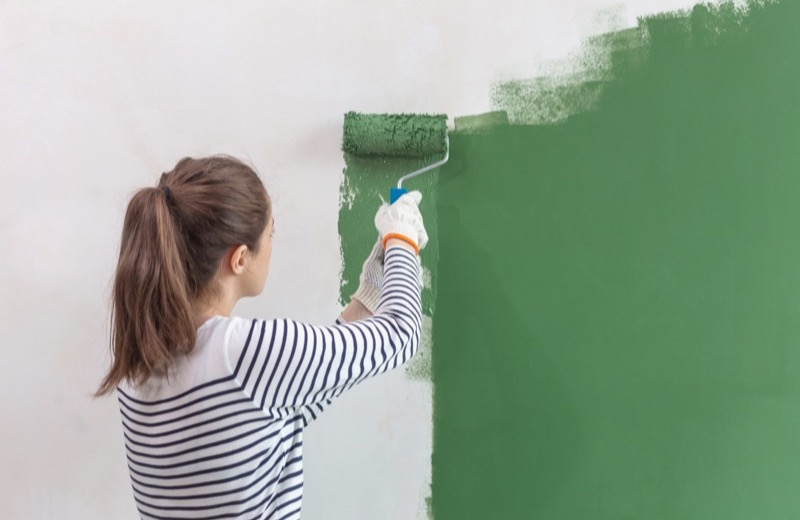
A doorknob dent, a nail pop, or a fist-sized gap behind a moved bookshelf — drywall holes are one of the most common little eyesores in any home. The good news is that learning how to patch a drywall hole is genuinely easy, and most repairs cost just a few dollars and an afternoon. This guide walks you through every size of hole, from a pinhole to a softball, so you can fix the wall and have it ready for paint.
Match Your Method to the Hole Size
Not every drywall repair is the same. The right approach depends entirely on how big the damage is, so start by measuring.
- Tiny holes (nail or screw holes, under 1/8 inch): lightweight spackle and a putty knife.
- Small holes (up to 1/2 inch): spackle plus a bit of patience and sanding.
- Medium holes (1/2 to 6 inches): a self-adhesive mesh patch or aluminum patch.
- Large holes (over 6 inches): a cut-in drywall plug or California patch.
Tools and Materials You'll Need
- Lightweight spackling compound or joint compound
- Self-adhesive fiberglass mesh patch (for medium holes)
- Putty knife (a 2-inch and a 6-inch are ideal)
- 120- and 220-grit sandpaper or a sanding sponge
- Utility knife
- Drywall scrap (for large holes)
- Primer and matching wall paint
- Drop cloth and a damp rag
How to Patch a Small to Medium Drywall Hole
- Clean the area: use a utility knife to trim away any loose paper or crumbling edges so the patch sits flush.
- For medium holes, center a self-adhesive mesh patch over the opening and press it firmly onto the wall.
- Scoop a small amount of spackle onto your putty knife and spread a thin, even coat over the patch, feathering the edges outward.
- Let it dry fully (check the product label — usually 1 to 4 hours), then apply a second thin coat slightly wider than the first.
- Once dry, sand the area smooth with 120-grit, then finish with 220-grit until you can't feel a ridge.
- Wipe away dust, prime the patch, and paint to match the wall.
Thin coats win. Three light passes of compound always beat one thick glob that cracks and shrinks as it dries.
Handling Large Holes the Right Way
For a hole bigger than your fist, you'll need to add new drywall. Cut a square around the damage, cut a slightly larger drywall patch, and use the 'California patch' method (scoring the back paper so it overlaps onto the wall) or screw in a backing strip. Then tape, mud, sand, and paint. It's very doable, but it takes a steadier hand and a few drying cycles.
Pro Tips for an Invisible Patch
- Always prime before painting — bare spackle absorbs paint differently and creates a dull 'flashing' spot.
- Feather the compound wider than you think you need to; a gradual taper hides the repair.
- If your wall has texture, replicate it with a damp sponge, a texture spray can, or a stippling brush before painting.
- Use a bright work light at an angle to spot high or low areas before you finish sanding.
Frequently Asked Questions
What's the difference between spackle and joint compound?
Spackle dries fast and shrinks very little, making it perfect for small holes and quick fixes. Joint compound (also called 'mud') is better for larger repairs and taping seams, but it takes longer to dry and may need extra coats. For most patch jobs, lightweight spackle is the simplest choice.
How long should I wait before painting a drywall patch?
Wait until the compound is completely dry and no longer cool to the touch — typically a few hours for a thin coat. Then prime, let the primer dry, and paint. Rushing this step is the number one reason patches show through the finished wall.
Can I paint directly over spackle without primer?
It's not recommended. Unprimed spackle is more porous than the surrounding wall, so paint dries to a different sheen and the patch becomes visible at certain angles. A quick coat of primer evens out the surface and gives you a seamless result.
Rather have a pro handle it?
Get matched with a vetted, insured local pro in about 30 minutes — and track them on the live map.